
8 Wedding Gown Alteration Mistakes Every Bride Should Avoid
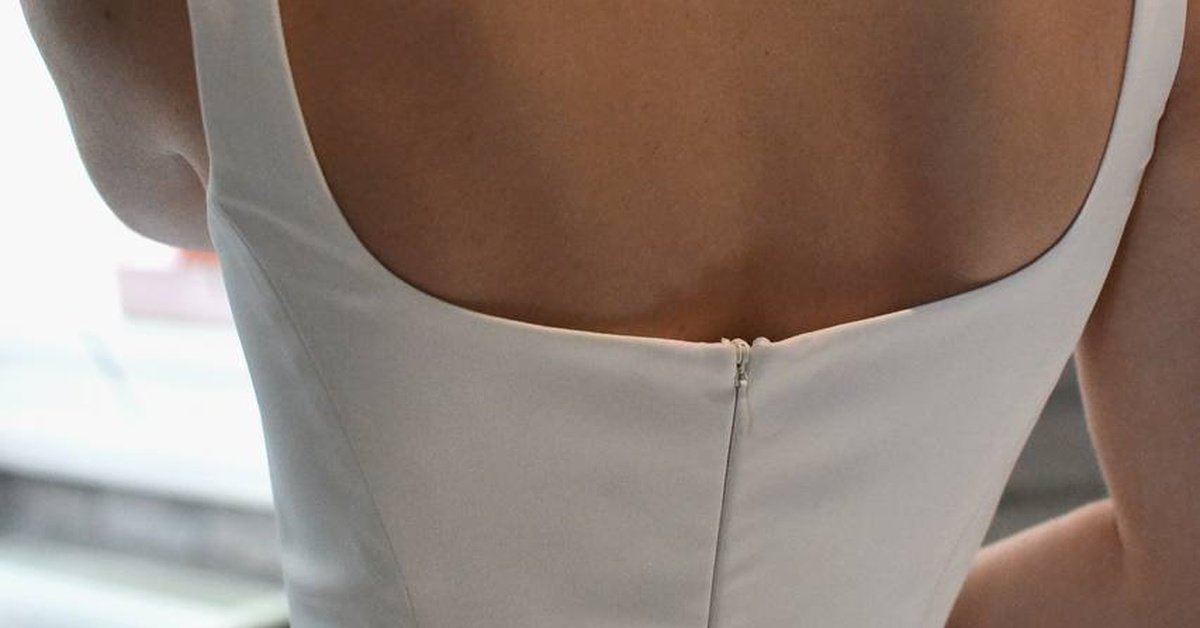
Finding your wedding dress is an exciting milestone, but the fit you fall in love with in-store is only the beginning. Alterations shape how your gown looks and feels on your body, refining every detail to support your movement and enhance your overall bridal look. When handled correctly, this process brings everything together in a way that feels natural and polished from every angle.
At the same time, many brides enter alterations without a clear understanding of what to expect. Small missteps can quickly lead to stress, unexpected costs, or results that don’t align with your vision. Below are the wedding gown alteration mistakes every bride should avoid.
Waiting Too Long To Start Alterations
Many brides underestimate how much time alterations require, but most gown fittings should begin about 8 to 12 weeks before the wedding. This timeline allows for multiple fittings, typically two to three, spaced out to refine the fit and finalize details. When you wait too long to begin, you limit your seamstress’s ability to make careful adjustments and increase the risk of rushed work.
Starting on time gives your seamstress the space to focus on precision instead of speed. It also allows you to try on the gown after each fitting and request small changes if something doesn’t feel right. With a proper timeline in place, the process feels more organized, and your dress comes together exactly as intended without unnecessary pressure.
Choosing an Inexperienced Seamstress
Not every seamstress has experience working with bridal gowns, and that difference shows in the final result. Wedding dresses often feature structured bodices, delicate fabrics, and detailed embellishments that require precise handling. If a seamstress lacks specialized knowledge, important design elements can lose their shape or balance.
An experienced bridal seamstress understands how to adjust the gown while maintaining its original construction. They know how to handle intricate materials and ensure the fit feels natural without compromising the design. Choosing the right professional protects both the look and integrity of your dress from the start.
Bringing the Wrong Shoes or Undergarments to Fittings
Your shoes and undergarments play a direct role in how your dress fits. Heel height changes the length of your gown, while undergarments affect how the fabric sits against your body. Even slight differences can create noticeable changes in the way your dress looks.
Bringing consistent items to every fitting helps your seamstress make accurate adjustments. It ensures the hemline, bodice, and overall structure align properly with how you’ll wear the dress on your wedding day. This consistency prevents surprises and keeps the fit reliable from the first fitting to the final one.
Skipping Scheduled Fittings
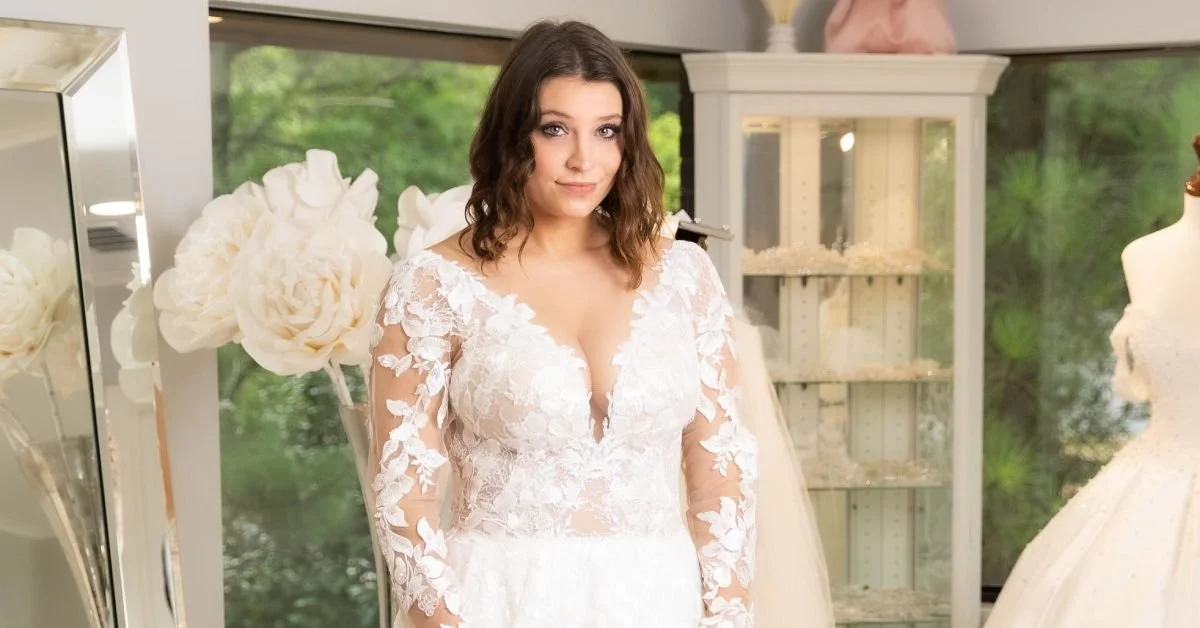
Each fitting plays a specific role in shaping how your gown fits on the wedding day. The first fitting usually focuses on major adjustments, such as taking in the bodice, setting the hem length, and marking any structural changes. The second fitting builds on that work, refining the fit through the waist, hips, and bust while checking how the dress moves. The final fitting focuses on small details like strap adjustments, bustle placement, and overall comfort.
Attending every fitting allows your seamstress to layer adjustments in the right order so nothing conflicts or needs to be redone. It also gives you the chance to walk, sit, and move in your gown to catch anything that feels off. Staying consistent with your appointments ensures your dress fits securely, looks balanced, and feels comfortable from ceremony to reception.
Trying to Change the Dress Too Drastically
It’s natural to want your gown to feel completely your own, but alterations work best when they refine the existing design rather than reinvent it. Major changes, like reshaping the neckline or completely altering the silhouette, often require taking apart key structural elements of the dress. Once that happens, the gown can lose balance, which affects how it fits, moves, and holds its shape throughout the day.
Instead of aiming for a full transformation, focus on adjustments that improve fit and highlight details you already love. Taking in the bodice, adjusting straps, or refining the hem can make a significant difference without compromising the design. When you work within what the gown was designed to do, you get a more polished result that feels intentional and stays comfortable from start to finish.
Ignoring Fabric Limitations
Fabric plays a major role in what alterations are possible, and not every material responds the same way to changes. Some fabrics allow flexibility, while others require precise handling to avoid damage. Understanding how your specific gown behaves helps set realistic expectations before any work begins.
Certain materials come with built-in limitations that affect what your seamstress can safely adjust:
Lace: Patterns must stay aligned, which limits how much can be taken in or reshaped
Silk and satin: Show every stitch and pin mark, requiring careful, minimal alterations
Tulle: Layers can shift easily, making structural changes more complex
Beaded or embellished fabrics: Details must be removed and reapplied, increasing time and cost
Ignoring these factors can lead to stretching, distortion, or an uneven finish. Working with your seamstress and respecting the fabric ensures your gown keeps its structure and looks polished from every angle.
Not Budgeting Properly for Alterations
Alterations come with their own costs, and many brides overlook this when planning their budget. The final price depends on factors such as fabric, complexity, and the number of changes required. Without preparation, these costs can feel unexpected.
Setting a clear budget early helps you approach alterations with confidence. It allows you to prioritize the adjustments that matter most and avoid last-minute financial stress. Understanding the investment in advance keeps the process smooth and manageable.
Overlooking Bustle Details
Neglecting the bustle is another mistake brides should avoid when altering their wedding gown. Your bustle allows you to move comfortably during your reception while keeping your gown secure. It also affects how your dress looks when lifted, making it both functional and a visual detail.
Taking time to choose the right bustle ensures it blends with your gown’s design. Your seamstress can recommend options that suit your dress and support easy movement. Paying attention to this detail helps you stay comfortable without sacrificing style.
Get Your Gown Altered
Your wedding dress comes together through a series of thoughtful adjustments that refine both fit and detail. When you stay involved in the process and make informed decisions, each step supports a final look that feels natural and complete.
When you’re ready to begin, schedule your appointment and ensure your bridal dress alterations reflect the fit, comfort, and finish you want for your day. Hanans Bridal is here to alter your gown so it feels just as right as it looks on your wedding day. Take the next step with confidence and give yourself the time and support you need to bring your gown together exactly as you envisioned.
