
How Many Wedding Dress Fittings Do You Need?
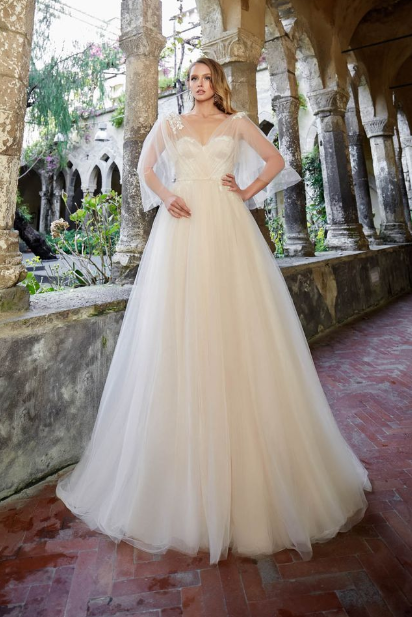
Planning your wedding dress alterations is an important part of getting ready for the big day. Even a beautiful gown can feel different once an alterations specialist tailors it to your body and preferred wedding-day styling. If you are wondering how many wedding dress fittings you need, the answer depends on the gown, the alterations involved, and how the fit changes throughout the process. Understanding what happens at each appointment can help you feel prepared and confident as your wedding day approaches.
Why Wedding Dress Fittings Matter
A wedding dress fitting is more than a quick check to see whether your gown zips. It gives an alterations specialist the opportunity to evaluate how the dress sits on your body and identify adjustments that can improve the overall fit. The goal is to make the gown feel secure while preserving the design you fell in love with.
Wedding gowns often include structured bodices, layered skirts, delicate fabrics, or detailed embellishments. Those features can make bridal alterations more involved than adjustments to everyday clothing. Careful fittings allow the seamstress to make changes gradually and check the result before moving forward.
What Determines the Number of Fittings?
There is no single fitting schedule that works for every bride. A gown that needs a straightforward hem may require a different process than one that needs significant changes through the bodice. Customization can also affect the number of appointments because design changes may need additional evaluation as the work progresses.
The original fit matters as well. Some brides find a gown that already fits closely through the bust and waist, while others need several areas adjusted. Construction details and embellishment can influence how easily you can make those changes without affecting the dress's appearance. Your alterations specialist can explain the expected process after seeing you in the gown.
What Happens at the First Fitting?
The first fitting establishes the foundation for the alterations process. You will try on your wedding dress so the specialist can assess where it needs to be taken in, let out, shortened, or otherwise adjusted. This appointment is also the right time to discuss any fit concerns you noticed when wearing the gown.
Bring the shoes and undergarments you expect to wear on your wedding day whenever possible. Heel height can affect the hem, while different undergarments can change how the bodice sits. Keeping these elements consistent helps the specialist evaluate the dress under conditions that are closer to your final bridal look.
If you want a bustle or another alteration that changes how the gown functions, discuss it early. The specialist can then account for that work while planning the rest of the alterations.
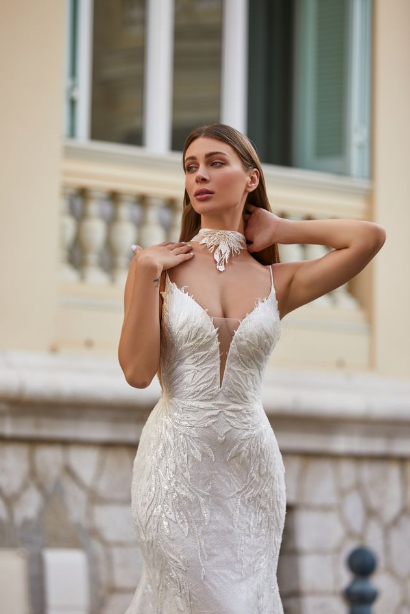
What Happens at the Next Fitting?
A later fitting gives you and the alterations specialist a chance to review the changes already made. The gown should begin to feel more tailored to your shape, but additional refinements may still be necessary.
Pay attention to how the dress feels when you stand and move. A wedding gown should look polished without making you feel unnecessarily restricted. If the gown shifts or feels uncomfortable, tell the specialist so the overall fit can be properly reassessed.
This appointment can also reveal small adjustments that were difficult to predict during the first fitting. Once they have completed larger alterations, the specialist can see more clearly how the gown falls and where further refinement may help.
When Is a Final Fitting Necessary?
The final fitting is an opportunity to confirm that the completed alterations create the intended fit. You can see how the dress looks with your planned shoes and check that the length works properly. You can also make sure the bodice feels secure and comfortable.
If your gown has a bustle, the final stages of the process are a useful time to understand how it works. Someone who will be with you on the wedding day may benefit from seeing how to secure the bustle. Knowing what to expect can make handling the train easier after the ceremony.
A final fitting also gives you time to raise concerns before the wedding. Rather than assuming a small issue will be fine, mention anything that does not feel right so the alterations specialist can evaluate it.
Why More Complex Alterations May Need Extra Appointments
Some wedding dresses require more fitting time because the requested changes affect several parts of the gown. Reshaping a bodice, modifying sleeves, or changing design details may involve multiple stages. Each stage can influence another area of the dress, so checking the fit along the way helps protect the final result.
Detailed gowns can also require careful handling when alterations intersect with lace or other intricate decorative embellishments. The alterations specialist may need to complete the work in a particular sequence so the finished gown still looks intentional. Additional fittings give the specialist opportunities to evaluate both fit and appearance as those changes develop.
Customization is another reason a bride may return for additional appointments. When you are changing a gown beyond standard fit adjustments, seeing the work in progress can help ensure the finished design aligns with your vision.
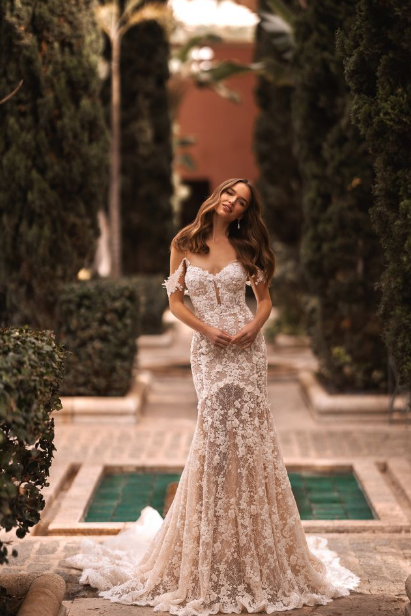
How To Prepare for Each Wedding Dress Fitting
Consistency makes fittings more useful. Try to bring the same shoes you plan to wear at the wedding, especially when you’re adjusting the hem. If you change your heel height later, the gown may sit differently from the length established during an earlier appointment.
Wear the undergarments or shapewear you expect to wear with the dress. You should also communicate clearly about comfort and movement instead of focusing only on how the gown looks in the mirror. Your specialist needs to know how the dress feels on your body.
Arriving prepared can also make it easier to focus on decisions that matter. Keep track of questions you want to ask about the bustle and overall handling of the gown so you can address them during the appointment.
Give Your Wedding Dress the Fit It Deserves
Ultimately, how many wedding dress fittings you need depends on your gown and the alterations required to make it fit beautifully. A thoughtful fitting process gives your specialist time to refine the dress while helping you understand how it should feel when the work is complete. Hanan's Bridal in Roswell, GA provides expert wedding dress alterations for brides who want careful, personalized attention to their gown. With professional alterations focused on your individual fit, Hanan's Bridal helps ensure your wedding dress looks polished and feels flawless when it is time to walk down the aisle.
