
How To Choose the Right Wedding Gown for Your Body Type
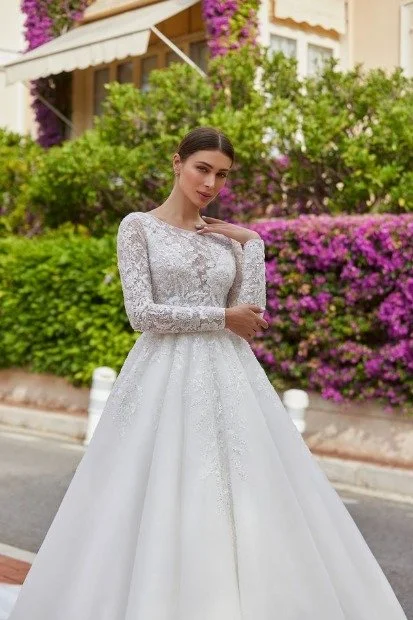
Finding a wedding dress should feel exciting, not like a test of whether your shape fits a certain style. Learning how to choose the right wedding gown for your body type is about understanding which details make you feel comfortable and confident. Your proportions can guide you toward silhouettes and construction details that highlight what you love, but they should never limit your choices. The best gown is the one that feels natural and reflects how you want to look on your wedding day.
Start With Fit, Not Body Labels
A bridal appointment lets you see how different silhouettes work on your body. A gown that looks unexpected on the hanger may become a favorite once you try it on. Keep an open mind when your bridal stylist suggests a shape outside your original vision, especially when supportive construction or customization changes how it fits.
Choosing a Gown for an Hourglass Shape
An hourglass figure generally has balanced shoulders and hips with a more defined waist. Brides who want to emphasize those proportions often gravitate toward fitted silhouettes that follow the natural shape of the body. Mermaid and fit-and-flare gowns can create a smooth line from the bodice through the hips before opening into a fuller skirt.
A defined waist can also stand out beautifully in an A-line gown. Look at how the bodice meets the skirt rather than focusing only on the silhouette name. Seaming, corsetry, or a structured waistband can bring attention to the waist while still giving you room to move. If you prefer less emphasis on your curves, a softer skirt can create a more relaxed effect.
Choosing a Gown for a Pear-Shaped Figure
A pear-shaped figure typically carries more fullness through the hips than through the shoulders. An A-line wedding gown is a popular option because it defines the upper body before flowing outward from the waist. This shape can create visual balance without requiring a bride to hide or minimize her hips.
Necklines can also influence the overall proportions of a gown. Off-the-shoulder or wider necklines draw the eye across the upper body and can complement a fuller skirt. Brides who love fitted dresses do not need to avoid them, either. A well-constructed fit-and-flare gown can celebrate the hips while creating definition through the waist and bodice.
Choosing a Gown for an Apple-Shaped Figure
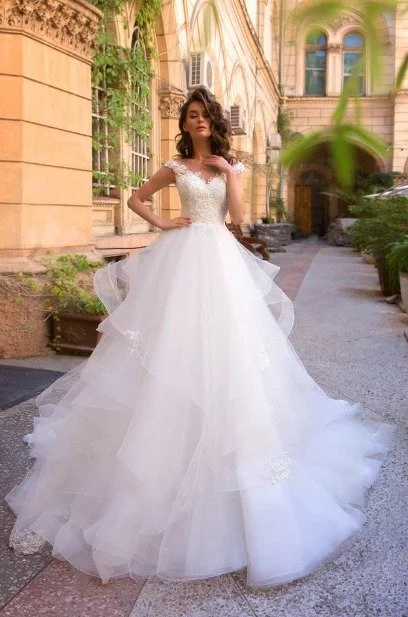
An apple-shaped figure often has more fullness through the midsection, with less definition at the natural waist. Gowns with thoughtful structure through the bodice can provide support and create a clean, comfortable shape. An A-line silhouette may work especially well because it can skim the torso before opening gradually into the skirt.
The placement of seams and waist details matters as much as the overall silhouette. A slightly raised waistline may create a longer visual line through the body, while a structured bodice can help the gown feel secure. Consider how comfortably you can sit and move when trying dresses. You want support that feels reassuring rather than restrictive throughout a long wedding day.
Choosing a Gown for a Rectangle Shape
A rectangle body shape generally has shoulders, waist, and hips that appear relatively similar in width. Brides who want to create more definition can look for gowns that add shape through strategic construction. A fit-and-flare silhouette can define the waist and create contrast as the skirt opens below the hips.
Ball gowns can create a dramatic difference between the bodice and skirt. Intentional seaming or a defined transition at the waist can add dimension. If you prefer a sleek look, embrace your natural proportions with a column or sheath gown. Choose the effect you prefer.
Choosing a Gown for an Inverted Triangle Shape
An inverted triangle figure usually has broader shoulders compared with the hips. Brides who want more visual balance may prefer gowns that add volume below the waist. A-line and ball gown skirts can create that effect while giving the dress a classic bridal presence.
Neckline choice can change how the upper body appears as well. A V-neck can create a vertical line through the bodice, while certain strap placements can subtly frame the shoulders. Try several neckline shapes before deciding what feels most flattering. Small differences in width or depth can noticeably change the way a gown works with your proportions.
Consider Height and Proportions Too
Body shape is only one part of finding a flattering wedding gown. Your height and torso-to-leg proportions can affect where a waistline lands or how much volume feels comfortable. Petite brides may prefer details that maintain a longer visual line, while taller brides may enjoy gowns with more dramatic scale.
Alterations can make a major difference in how any silhouette looks. Hem length, strap placement, and bodice fit can transform a gown that initially feels almost right. When trying on dresses, remember that a sample gown is not always an exact representation of the final fit. Ask your bridal stylist which details the alterations team can adjust so you understand the possibilities before ruling out a style.
Think About Comfort and Your Wedding Setting
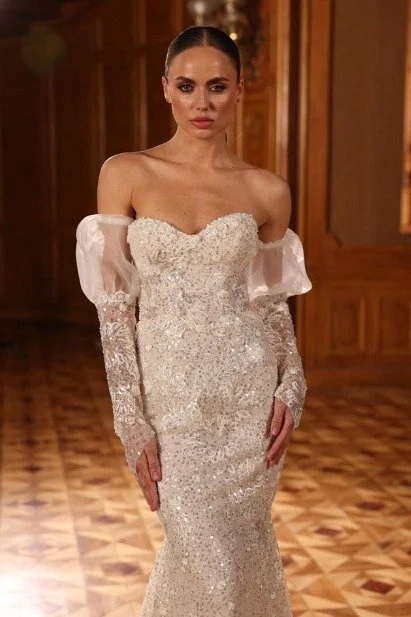
Fabric and construction also influence comfort. Some materials create a crisp, structured shape, while others fall more softly against the body. Pay attention to how the gown feels when you walk and sit. You should be able to enjoy your wedding without constantly adjusting the dress or worrying about how it looks from every angle.
Trust What You Feel in the Fitting Room
Advice about body types can narrow down your starting options, but your reaction in the fitting room matters more. You may walk in expecting to love one silhouette and feel completely different once you see it on. That is a normal part of bridal shopping.
Focus on whether you feel like yourself in the gown. Notice whether you stand differently, feel comfortable moving, or keep wanting to look at the dress again. Those reactions can tell you more than a body-shape chart. A skilled bridal stylist can also help you compare options while respecting the features and style preferences that matter to you.
Find Your Wedding Gown at Hanan's Bridal
Understanding how to choose the right wedding gown for your body type can make bridal shopping more focused without creating restrictions. The right silhouette should support your proportions while matching your taste and comfort. Hanan's Bridal is a bridal boutique in Roswell, Georgia, offering wedding dresses and custom bridal dress options for local brides. During your appointment, you can try shapes and consider customization possibilities as you work toward a gown that feels right for your wedding day. Book an appointment to find your dream dress!
