
How To Prepare for Your Wedding Dress Fittings
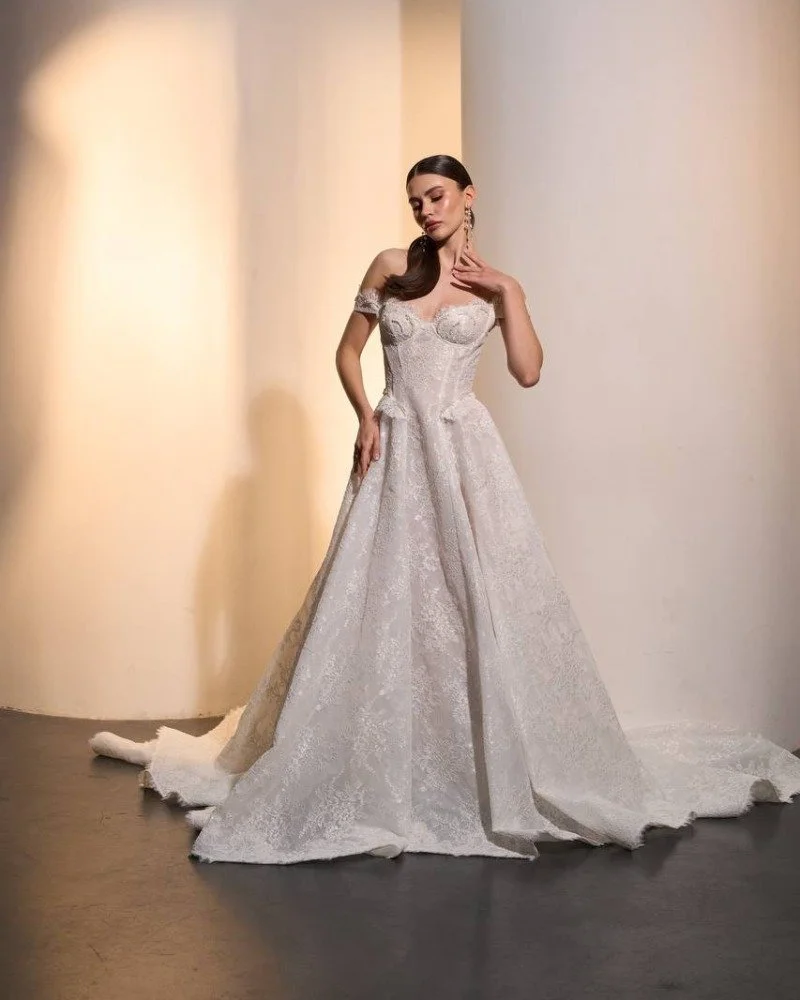
You’ve found your dream dress, but it won’t fit perfectly when you first buy it—it needs alterations. However, going to a fitting can feel stressful, confusing, or even overwhelming if you don’t know what to expect. We’ve detailed how to prepare for your wedding dress fittings so you can enjoy yourself.
Schedule Your Fittings Strategically
Typically, your first fitting should be three to four months before the wedding, with follow-ups every four to six weeks. This ensures the seamstress has enough time to make alterations and confirm you love them.
Always consult the seamstress before scheduling your first appointment to confirm how long the alterations will take, so you have an approximate timeline.
Bridal Tip
If your wedding falls during peak season, book your first fitting as soon as your dress arrives. Seamstresses fill their calendars months in advance, and limited availability can compress your alteration timeline.
Maintain Your Size and Shape
Even small changes can affect how a dress fits at the bust, waist, and hips, so consistency helps your fitter fine-tune the final silhouette. Regular meals, hydration, and movement you already enjoy can support consistent measurements without added pressure or extreme changes. If your size changes, contact the seamstress to have them remeasure you and make the necessary alterations to the gown.
Always approach the process with kindness toward yourself. Bodies respond to stress, travel, and busy schedules, and your gown may reflect those shifts. Your fitter works with your measurements as they are, and open communication gives the team the flexibility to make thoughtful adjustments.
Wear the Right Undergarments
Bring the undergarments you plan to wear on your wedding day to your first fitting, as they affect how the dress fits. More specifically, strapless, longline, shapewear, and corsets all change the silhouette and the seam placements your tailor will mark. Bring the exact pieces for each fitting, as even a different bra style can change measurements.
Bringing your wedding undergarments with you also allows you to see what’s comfortable with your dress. During the fitting, you should lift your arms, twist, and breathe deeply to spot pinch points or slippage.
Bridal Tip
Seamless styles, nude tones, and low-back solutions often work best under lace or delicate fabrics, and your salon team can point you toward reliable options.
Bring Your Wedding Shoes
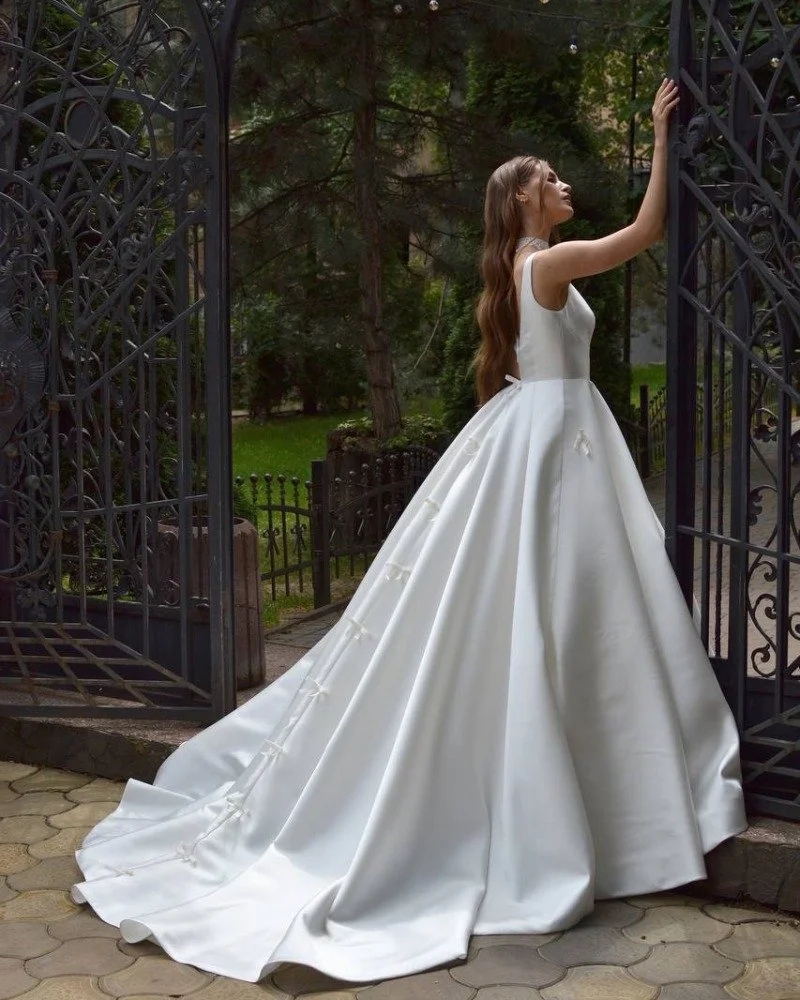
You can also prepare for your first wedding dress fitting by bringing the shoes you’ll wear on the big day, as heel height affects the hem. A half-inch change in your height shifts the drape, bustle balance, and posture, so bring the exact shoes every time. If your shoes arrive late, bring a pair with the same heel height and shape to maintain a consistent reference.
Wear the shoes with your dress and walk across different surfaces in the salon, including carpet and hard floors, if available. This gives your seamstress a chance to check movement and hem length and adjust as needed to help prevent tripping.
Include Your Accessories
Accessories shape the neckline, the waistline, and the bustle points. Ensure you bring items such as:
Veils
Belts
Sashes
Detachable sleeves
Jewelry
Hairpieces
Trying these pieces on with your dress helps you see how everything works together in real time.
Moreover, accessories can change visual proportions, draw attention to certain areas, and affect how the gown moves, especially at the neckline and back. Wearing them during fittings allows your seamstress to confirm placement, adjust attachment points as needed, and ensure that they do not interfere with your comfort or movement.
Prepare for Mobility Checks
Fittings are the perfect time to test how your dress moves with you, ensuring it looks beautiful and feels comfortable throughout the day. During your bridal alterations appointment, practice movements like sitting, standing, kneeling slightly, walking at different speeds, climbing a step, lifting your arms, or giving hugs. If you plan to dance, try a few gentle turns or a dip to see how the dress responds. Pay attention to pressure points at the ribs, underarms, and hip seam, and check for gaping at the bust when leaning forward.
You can also use this time to test train management with a bustle. Consider having a bridesmaid or family member practice bustling so they’re familiar with the process for your wedding day. Doing these checks during fittings helps your seamstress make adjustments for both fit and movement before the final day.
Communicate Your Vision Clearly
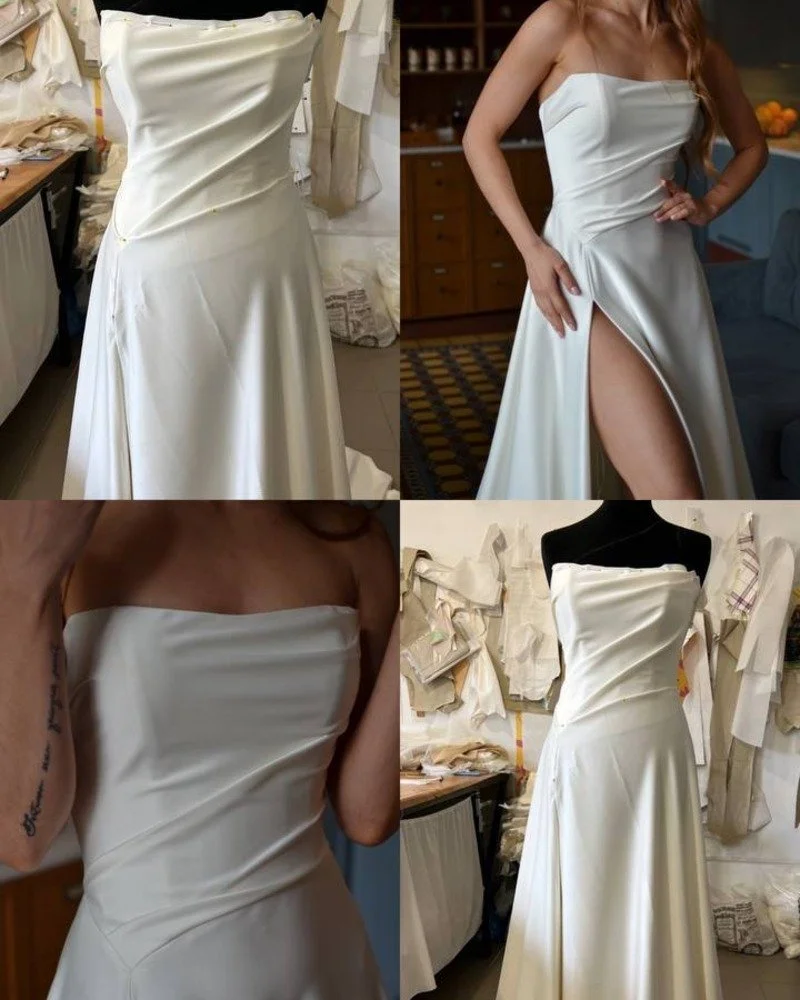
Before and during your fittings, share your priorities with your fitter. This could include how secure the neckline feels, how defined the waist is, how easy it is to move at the hips, or whether you prefer a softer or more structured drape. Additionally, identify areas that require additional comfort or support, such as a strapless top that slips or boning that rubs after a few minutes.
When describing adjustments, focus on how the dress feels and moves. Explain where it feels tight or loose, how it behaves when you walk, sit, or lift your arms, and which design details are most important to you. Providing your fitter with this level of detail helps them make precise alterations and ensures the final gown fits your body and your vision perfectly.
Ask Questions
Never hesitate to ask questions during your fittings. Talk through anything that feels uncertain, from hem length to how the dress moves when you walk or sit. Understanding the reasons for embellishments and the fabric's limitations helps your fitter make informed alterations.
Stay Flexible With Adjustments
Every gown responds differently to changes depending on its style, fabric, and the types of alterations needed. Some dresses require multiple rounds of refinement. Fabrics such as satin, crepe, Mikado, and heavily beaded gowns each require specific techniques that can affect timing and cost. Work with your seamstress to set priorities so that must-have adjustments come first and nice-to-haves are addressed later.
Leave a small buffer in your schedule and budget for unexpected tweaks. A change in heel height, shapewear, or even a last-minute accessory may require an extra appointment. Staying flexible helps your fitter deliver clean lines, reliable comfort, and a gown that looks flawless on your wedding day.
Relax and Trust the Process
Think of wedding dress fittings as a journey, not a race. Most gowns require several appointments to ensure a perfect fit. Be open with your seamstress about how the dress feels, what matters most, and any concerns you notice.
Being clear and communicative helps the team make precise adjustments efficiently. Approach each fitting with patience and enjoy the process. Your gown will come together step by step, reflecting both your vision and your comfort on your wedding day.
Get Your Dress Altered
Hanan’s Bridal offers stunning gowns and professional alterations to ensure your dress fits perfectly on your big day. Schedule your fitting today and let our expert team help bring your wedding dress vision to life with comfort, style, and flawless craftsmanship. You can trust that every fitting brings you closer to feeling confident, beautiful, and ready for your wedding day.
