
Wedding Dress Color Meanings: Which Should You Choose?
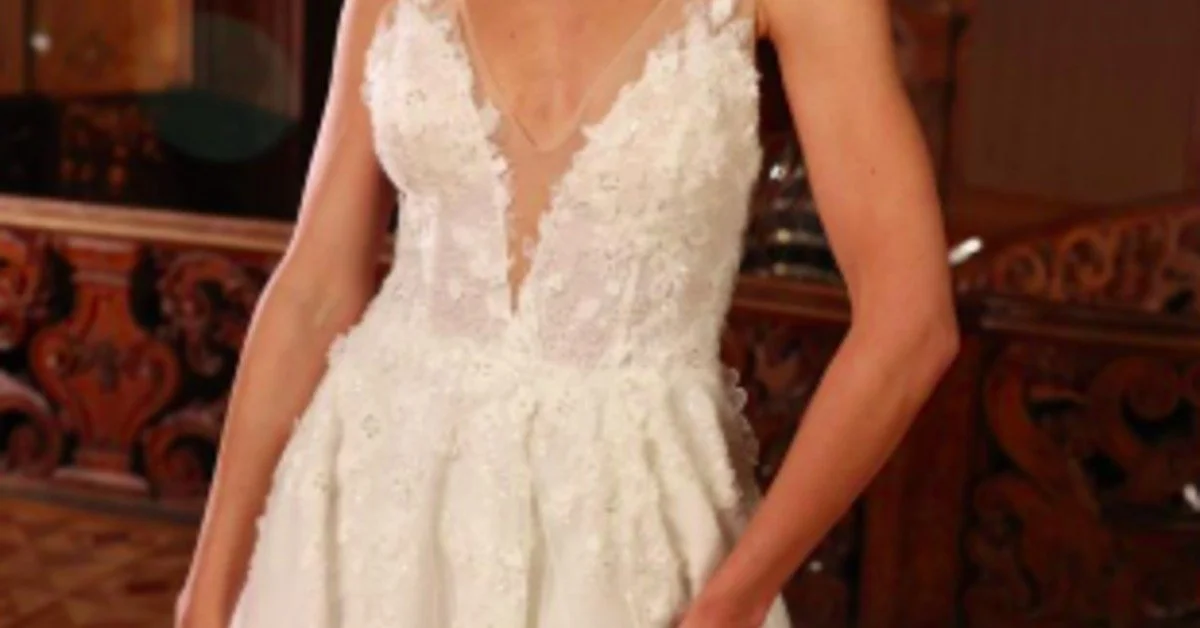
Wedding dress color affects much more than tradition. The shade can change how your skin looks beside the gown and how clearly the lace shows against the lining. It can also make the same silhouette feel crisp or soft. Knowing how color shapes the finished look will help you understand what wedding dress colors mean and how to pick one.
Bright White: A Crisp, Traditional Look
Bright white represents purity and a fresh start for many brides. Its cool tone gives a gown a clean finish, making structured designs look especially sharp. The strong contrast can also help smooth satin appear more polished under natural light. Compare it to your face before deciding, as the brightness may overpower warm or very fair complexions.
Ivory: Warmth With Classic Appeal
Ivory often represents warmth, elegance, and lasting tradition. Its creamy undertone gives a wedding dress a softer appearance than bright white, which can make lace details look richer. However, ivory may emphasize yellow tones in some complexions. Compare it with a neutral white near your face to see which shade creates a clearer and more balanced look.
Blush: Romance With More Dimension
Blush often expresses romance and personal style. Some blush gowns use only a faint pink undertone, while others show a more noticeable rosy color. An ivory lace layer over blush can make floral details stand out because the lining creates a gentle contrast. View the gown from several feet away to judge whether the color complements the design or draws too much attention.
Champagne: A Soft, Luxurious Glow
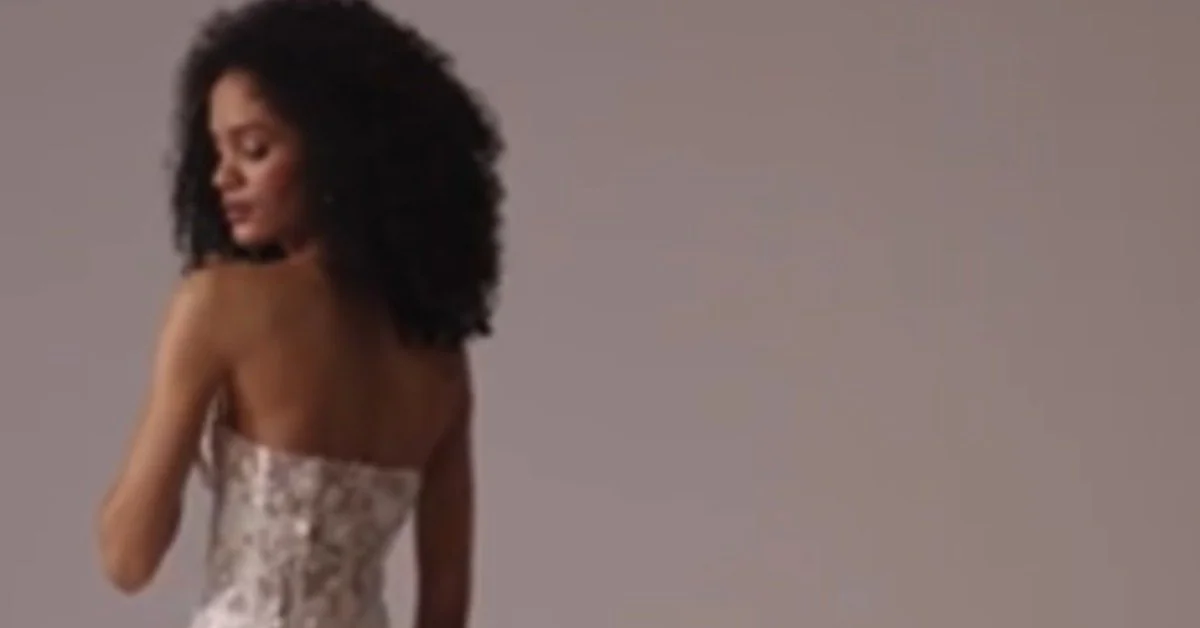
Champagne carries a sense of celebration and understated luxury. Its golden undertone adds warmth without making the dress look boldly colored. The shade can bring out the shine in satin because light moves across the fabric with a soft glow. It can also help beadwork blend into the design instead of creating a sharp contrast against a bright background.
Blue: Calm With Meaningful Tradition
Blue often symbolizes loyalty and calm, which gives the color a natural connection to wedding traditions. In a pale shade, it can add a soft wash of color beneath layers of tulle without taking attention away from the gown. Those layers may give the dress a subtle silver cast in certain lighting, so compare the color near a window before deciding. For brides who want a meaningful detail, blue can also bring “something blue” into the main bridal look in an elegant way.
Black: Confidence and Modern Elegance
Black communicates confidence and creates a strong sense of occasion. The color gives a wedding gown a defined outline, which can make a simple silhouette feel more dramatic. Fabric choice matters because matte crepe keeps the look smooth, while lace adds visible texture. Step back from the mirror during your fitting to make sure the dress details remain clear from a distance.
What Wedding Dress Color Should You Choose?
When evaluating what different wedding dress colors mean, you’ll need to decide which is best for you. Choose a color that complements the gown and flatters your complexion, rather than relying solely on tradition. A meaningful shade may appeal to you at first, but the full dress should still look balanced in person. Use the following tips to narrow your options.
Compare Each Shade Near Your Face
Begin by looking at the neckline, as that area is closest to your face. The right shade should support your complexion rather than compete with it. When a color feels too stark, the gown may draw attention away from your features. Comparing two shades side by side can make that difference easier to see.
Natural light gives you a more accurate view of each undertone. Stand near a window and focus on the skin around your face instead of the skirt. A warmer shade may soften visible redness, while a cooler white may offer a fresher contrast. The best option will leave your complexion looking clear and balanced.
Notice How Fabric Changes the Color
The fabric can make two gowns with the same color label look very different. Satin reflects more light, so ivory satin may appear brighter than ivory crepe. Tulle softens color because the sheer layers create a hazy effect. Focus on the finished gown rather than assuming every designer uses shade names the same way.
Movement also changes how the color appears. When you try on dresses, walk across the fitting area and turn slowly to see how the fabric catches the light. A color that looks flat while you stand still may gain depth when the skirt moves. This check helps you assess how the dress will look to guests during the wedding.
Check the Color Under Different Lighting
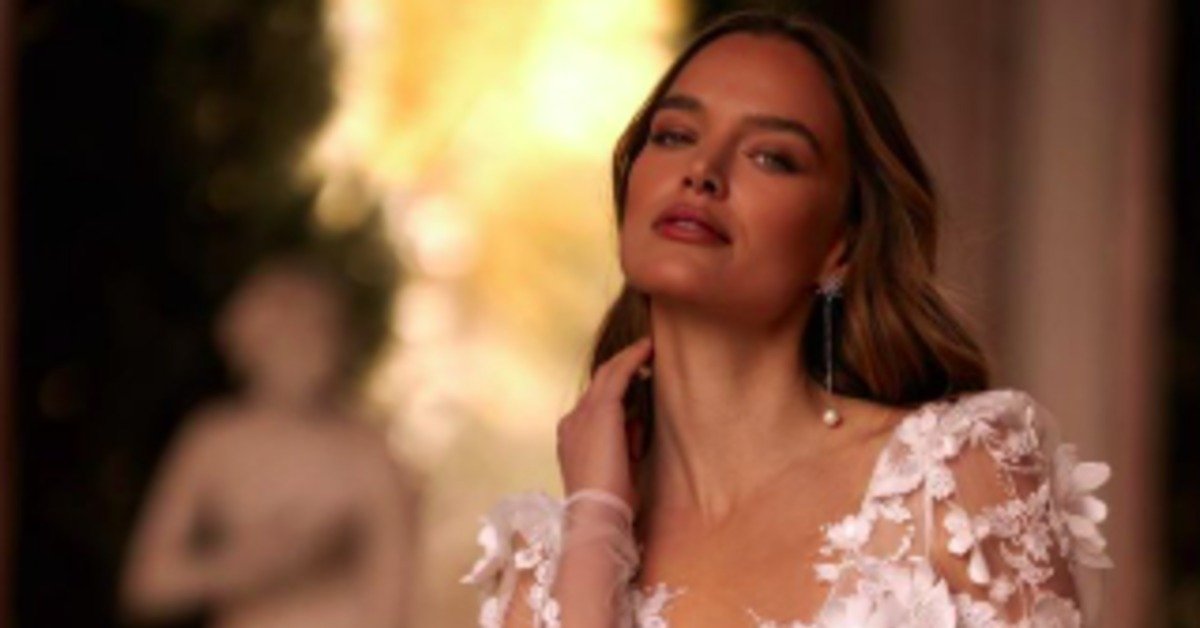
Store lighting can make a warm gown look more golden than it would outdoors. Natural light may reveal cooler undertones that you did not notice inside the fitting room. Take a few phone photos near a window, then compare them with pictures from the main showroom. This simple test can show whether the shade remains consistent enough to suit your preferences.
Review the photos with a few clear questions in mind so the silhouette does not distract you from the color. Focus on how the shade affects your complexion and whether it supports the gown’s overall look. Let what you see in the image guide your answer rather than what you expected the color to look like:
Does the shade keep your skin tone looking even?
Does the lace remain visible from several feet away?
Does the gown still look bridal in the photo?
Does the color create the mood you want?
Let the Dress Design Guide Your Choice
The color should make the gown’s strongest details easier to see. If ivory lace blends into an ivory lining, a blush or champagne layer may provide enough contrast for the pattern to stand out. Satin needs a different approach because its smooth surface reflects undertones more strongly. Compare the fabric near your face to make sure the shade does not look overly yellow or too cool.
Step back from the mirror and notice where your eye goes first. You should see your face and the gown's shape before you focus on the color. If the shade overwhelms the lace or changes the way the fabric looks, try a nearby tone with a softer undertone. The right option will strengthen the design without becoming the main feature.
Find Your Wedding Dress
Hanans Bridal helps brides compare colors in person, where lighting and fabric reveal details that online photos can miss. Our consultants can explain how each shade affects the gown and help you match the color to your face. Visit our bridal shop in Roswell to try wedding dresses that match your vision and see which shade gives the design its strongest finish.
The right color should support your features and help you feel fully confident in the gown you choose. When the shade complements both you and the dress, the entire bridal look feels more complete.