
How To Choose the Perfect Wedding Veil for Your Bridal Gown
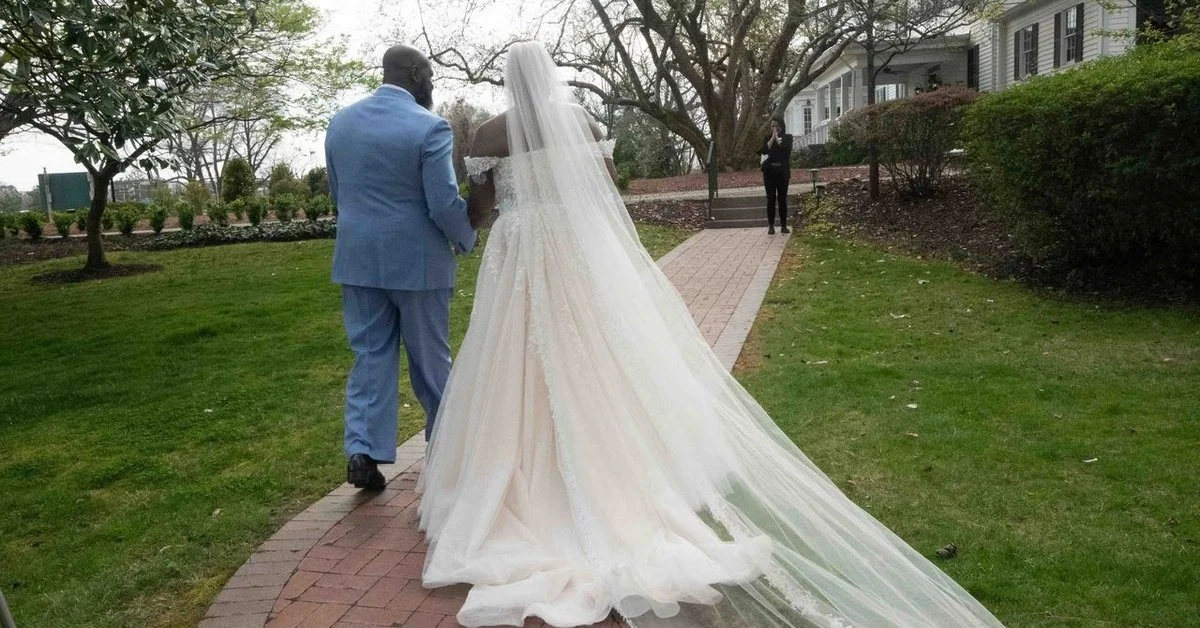
A wedding veil has a way of changing the moment you put it on. The dress may already feel beautiful, but the right veil can make the whole look feel more emotional, polished, and complete. It can soften a modern gown, add drama to a simple silhouette, or bring just enough detail to make the final look feel intentional. Below, we’ve explained how to choose the perfect wedding veil for your bridal gown.
Start With the Style of Your Bridal Gown
Your gown should guide the veil before anything else. A sleek dress often looks best with a clean veil, while a softer gown can work with lace trim or delicate texture. The veil does not need to match every detail, but it should feel like it belongs with the dress.
As you shop for a veil, you should evaluate how much detail your gown already has. If the dress has bold lace or heavy beading, a simpler veil can keep the look balanced. On the other hand, if the gown is more minimal, a detailed veil can add interest without taking over. The goal is to make the veil support the dress, not compete with it.
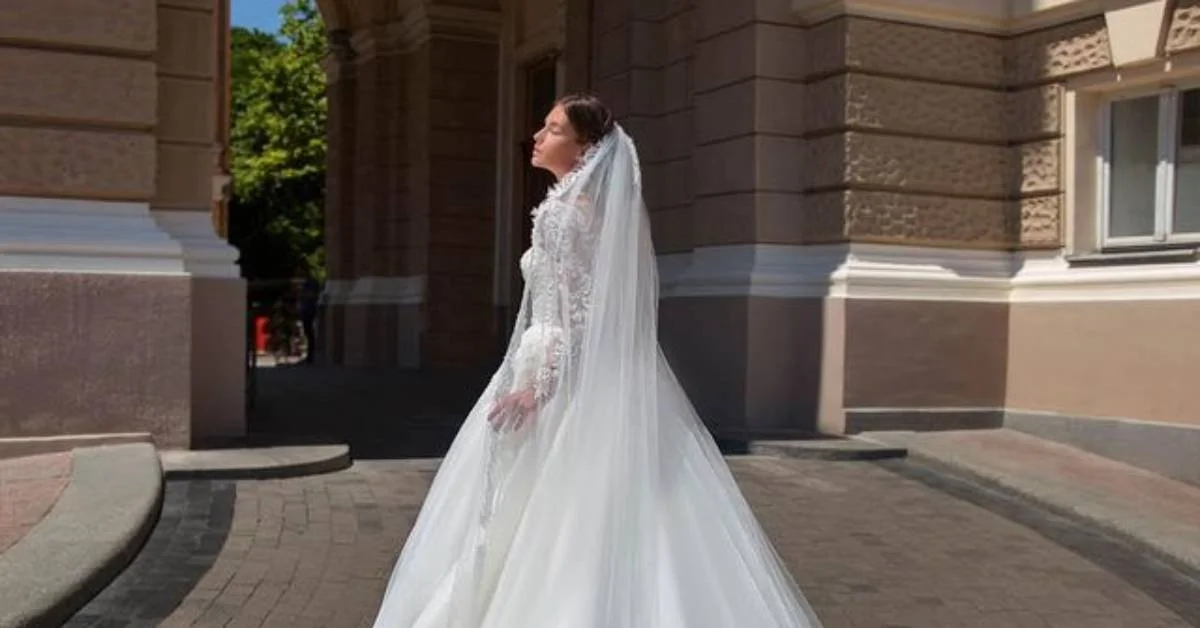
Choose a Veil Length That Fits the Dress
Veil length affects how formal or effortless the full bridal look feels, so it should work with the shape of the gown rather than sit on top of it as an afterthought. A shorter veil can keep the look soft and easy to move in, while a longer veil can make the ceremony entrance feel more dramatic.
Here are common veil lengths and how they usually work with bridal gowns:
Birdcage veil: This works well for a vintage-inspired look or a modern courthouse style.
Shoulder-length veil: This keeps the look light and lets the upper part of the dress stand out.
Elbow-length veil: This gives a classic shape without adding too much drama.
Fingertip veil: This suits many gown styles because it adds softness without overwhelming the dress.
Cathedral veil: This creates a grand entrance and works best when the gown can support that level of drama.
When your gown has a train, pay attention to how the veil falls around it because both will show in photos from behind. The veil does not need to match the train in length, but it should feel balanced beside it, whether it creates the main statement or extends the drama already built into the dress.
Match the Veil Color to the Gown
When choosing the perfect wedding veil for your bridal gown you should also pick a color that aligns with your dress. White, ivory, and softer neutral tones can shift once they sit against the dress, especially under boutique lighting. The problem is, a shade that feels slightly off can make the gown look less polished, even when the veil style works.
Place the veil directly against the dress before deciding. This gives you a clearer sense of whether the tones work together and whether the fabric creates the right softness. The best match should blend into the full bridal look, so the veil frames the gown instead of distracting from it.
Consider the Venue and Season
Your wedding setting should guide you toward a veil that looks beautiful in the space and feels manageable throughout the day. A cathedral veil can make a formal indoor ceremony feel more dramatic because the fabric has room to fall behind you, while that same length may need more attention outdoors. If your ceremony or photos will take place on grass or uneven ground, think about how easily the veil will move as you walk.
Comfort should also shape your decision, especially if the weather may feel warm. Heavy lace can look beautiful, but it may feel less comfortable during a longer ceremony or portrait session. A softer tulle veil can still give the gown a finished bridal look without adding extra weight. When the veil fits the setting and season, you can stay focused on the moment instead of adjusting it throughout the day.
Think About Hair and Accessories
Your hairstyle should help determine where the veil sits and how secure it feels. An updo often gives the comb more support, while loose hair may need extra pins or a different placement to stay comfortable. Think about this before the wedding day so the veil feels like part of the look instead of something you keep adjusting.
Accessories should follow the same idea of balance. If your earrings or hairpiece already make a statement, a simpler veil can keep the focus clear. If the dress feels more understated, the veil can add detail without making the look feel overdone. The goal is to let each choice support the next, so the full bridal look feels polished rather than crowded.
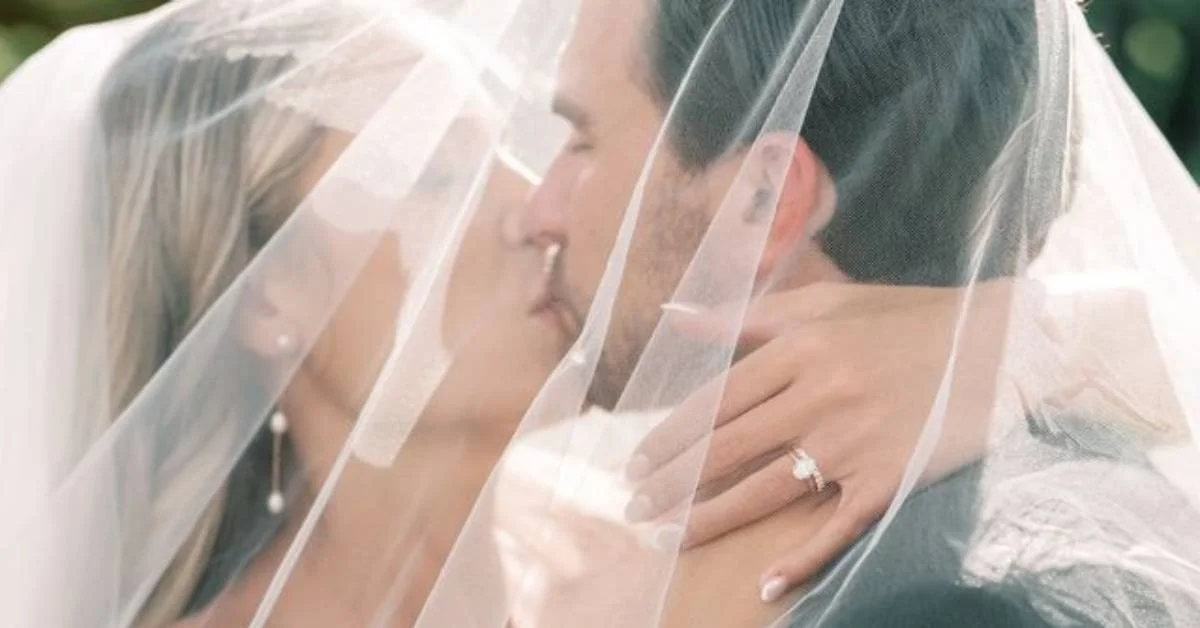
Try the Veil With the Full Bridal Look
A veil can look completely different once it sits against the gown, which is why the full outfit matters more than the veil on its own. A style that seemed perfect at first may cover too much of the dress, while a softer option can bring out the details in a way that feels more natural.
The front view shows how the veil frames the face, but the back view matters just as much because that is where the veil meets the train or back detail. When the veil moves easily with the gown, the whole look feels more comfortable and complete.
Trust Your Personal Style
Veil guidelines can help you understand what usually works, but the final choice should still feel personal. Some brides feel most confident with a dramatic veil that changes the whole look, while others prefer something softer that lets the gown stay at the center.
When you see the dress and veil together, the right choice often feels less like a rule and more like a natural finish. If it makes the gown feel complete and helps you feel more like yourself, that reaction is worth trusting.
Find the Right Veil for Your Bridal Gown
The perfect veil should work with the dress style, suit the setting, and feel comfortable enough to wear with confidence. Hanan’s Bridal helps brides find couture wedding dresses in Roswell, Georgia, that look stunning with various veil styles.
The right veil should make your gown feel finished without taking away from what you already love about it. When the full look feels comfortable and true to your style, you can walk into the day with more confidence.