
What To Expect During Your Wedding Dress Fitting
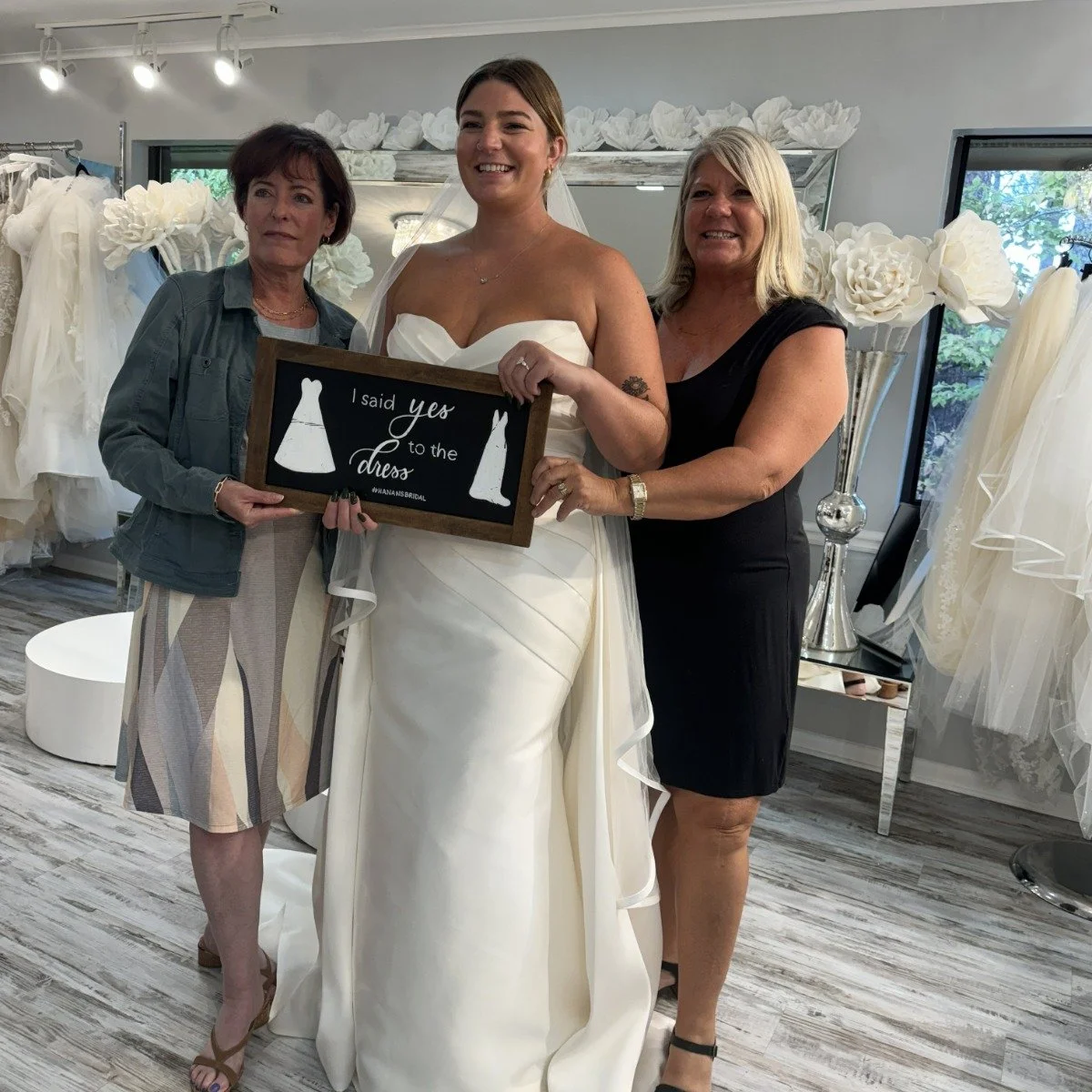
A wedding dress fitting is the moment your gown starts to feel less like a dress you chose and more like the dress you will wear down the aisle. The fit affects how confidently you stand, how easily you move, and how present you feel once the day begins.
Even small details, like a bodice that shifts or a hem that catches under your shoes, can distract you from the experience you want. Here are the key things to expect during your wedding dress fitting.
The First Look Focuses on the Whole Gown
Your fitting usually starts with the seamstress looking at the dress as a whole. Before she pins anything, she needs to see how the gown sits when you stand, where the fabric pulls, and whether the dress feels balanced on your body. This first review gives both of you a clear starting point, so the appointment does not feel like random adjustments.
During this part of the fitting, stand the way you normally would on your wedding day. Try not to lift your shoulders, hold your breath, or force a pose for the mirror. When your body feels relaxed, the seamstress can see how the gown naturally falls and decide which changes will make the biggest difference.
Small Fit Concerns Do Not Mean the Dress Is Wrong
A gown can need tailoring even when the size is technically right. Bridal gowns have more structure than everyday clothing, so the fit has to support the dress rather than simply close around your body. During this part of the appointment, the seamstress looks for the places where the gown almost works but still needs a more precise adjustment.
You might feel the difference before you can explain it. The top may feel secure while the waist still feels like it could sit closer, or the skirt may hang well while the bodice needs more support. Those small concerns do not mean you chose the wrong dress. They show the seamstress where the gown needs to be adjusted to better fit your shape.
Your Undergarments Shape the Fit
During a wedding dress fitting, you should also expect the seamstress to ask you to bring the undergarments you’ll wear on the big day, since the clothing changes how the bodice sits. For instance, a supportive bra may lift the gown differently than sewn-in cups, and shapewear can alter how the fabric rests at the waist. When the seamstress sees the dress with the right foundation, she can fit the gown around the look you want.
Comfort deserves just as much attention as appearance during this part of the appointment. If something presses into your skin or keeps pulling your attention away from the mirror, say so before the seamstress starts major changes. The dress should look polished, but it should also let you breathe, move, and settle into the moment without thinking about the fit all day.
Your Shoes Guide the Hem
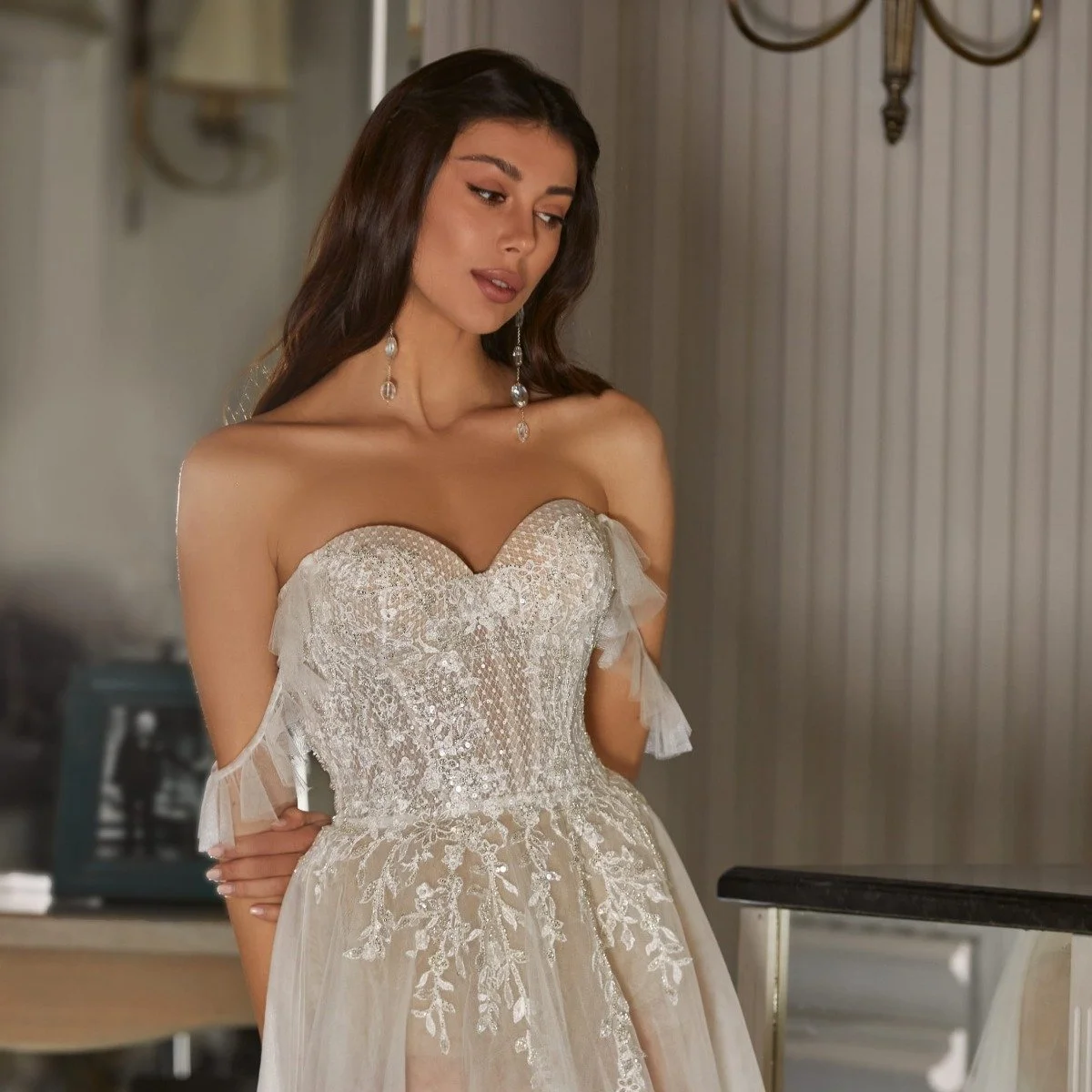
Bring your wedding shoes to the fitting when possible, because the hem depends on the height you plan to wear. Even a slight change can affect where the dress falls once you stand naturally. With the right shoes on, the seamstress can judge the length based on how the gown will actually look on the wedding day.
A good hem should do more than look pretty in the mirror. The skirt needs to let you walk without catching the fabric under your feet or losing the soft line that makes the gown feel finished. A careful length helps the dress look polished while still feeling easy to wear.
Pinning Helps Create the Plan
After the seamstress checks the overall fit, she may use pins or markings to map out the changes. This gives her a way to test the adjustment before sewing begins. It also helps you see which areas need attention, so the process feels clearer instead of uncertain.
During this step, tell her if anything feels tight, awkward, or distracting. A pinned area can look right from the outside while still feeling uncomfortable as you stand in the gown. Your feedback helps the seamstress shape the dress around comfort, not just the mirror.
Movement Shows What the Mirror Cannot
A fitting should help you understand how the gown feels beyond a still pose. The seamstress may ask you to move because the dress needs to work through real wedding moments. Before she finishes checking the fit, she may want you to test the gown in a few simple ways:
Walk at a natural pace
Sit with your shoulders relaxed
Turn without holding the skirt too tightly
Raise your arms enough to check the bodice
These movements can reveal concerns that do not appear while you stand still. As you walk or sit, pay attention to whether the gown stays where it should and whether the skirt feels easy to manage. Noticing those details during the fitting gives the seamstress time to adjust the dress before you have to move through a full wedding day in it.
The Train May Need a Bustle Plan
A gown with a train often needs a bustle so the extra fabric does not get in your way after the ceremony. During the fitting, the seamstress can show how the train will lift and where it will fasten. This helps you picture how the dress will move once the formal part of the day ends.
Bring someone who can learn how to bustle the gown, especially if the dress has several fastening points, so they can help you during the wedding. That person can watch the demonstration and practice while the seamstress can still answer questions. Having a prepared helper makes the reception easier because you will not have to figure out the train on the spot.
More Than One Fitting May Help
Your first fitting may not give you the finished version of the gown, and that is part of the process. The seamstress often uses that appointment to make the biggest fit decisions before refining the dress at a later visit. Seeing the gown in stages can make the process feel calmer because each appointment has a clear purpose.
Wear the same shoes and undergarments each time so the fit stays consistent. A different heel height or foundation piece can change how the gown sits, potentially undoing some of the progress from an earlier appointment. Keeping those details the same helps the final fitting feel more accurate.
Find a Dress That Feels Like Yours
A wedding dress fitting should make your gown feel more connected to you. The right fit helps you focus on the moment instead of adjusting the dress or worrying about how it sits. When the gown supports your body and your plans for the day, you can picture yourself walking into the celebration with confidence.
Hanans Bridal helps brides in Roswell and the surrounding Atlanta area find gowns that feel personal from the start. We offer wedding dress alterations to ensure that your dress fits perfectly on the big day. Schedule your appointment so you can find a gown that feels beautiful, comfortable, and perfectly suited to the day you have been imagining.
